The annual Open Education Awards for Excellence recognizes outstanding contributions in the Open Education community, recognizing exemplary Individuals, distinctive Open Educational Resources, and innovative Open Practices from around the world.
As we do each year leading up to the announcement of award winners, to cast a wider round of recogniztion we publish here the Shortlist of Finalists for the Open Education Awards of Excellence. For 2026 we are proud share 16 Individuals (People in Open), 16 Open Assets (What We Share), and 16 Open Practices (How We Share) tabulated from the reviews of over 200 nominations.
Representing 49 countries the Shortlist of Finalists emerge from thew arduous review process conducted by the 2026 OEAwards Committee comprised of former awardees, OEGlobal Board Members, and representatives of OEGlobal member 0rganizations
Explore the finalists listed below in each major award category, listed with a quote from the information in their nomination for the “top reason” they should be recognized. For each we offer a link to read all details included in the nomination. Please add messages of encouragement and gratitude in OEGlobal Connect as well as in your social media channels– tag everywhere #OEAwards26.
We are proud to share with you below the 2026 Shortlist of Finalists! And please join us on September 2 for a live webcast announcement of award winners.
Individuals: People in Open

Abbey Elder
Iowa State University, United States
recognized as a Open Education Leader and Librarian
“With a career dedicated entirely to making open education accessible, sustainable, and systemic, Abbey has spent over seven years building the infrastructure, communities, and policies that allow open education to thrive, not just at ISU, but across the state of Iowa and statewide.”
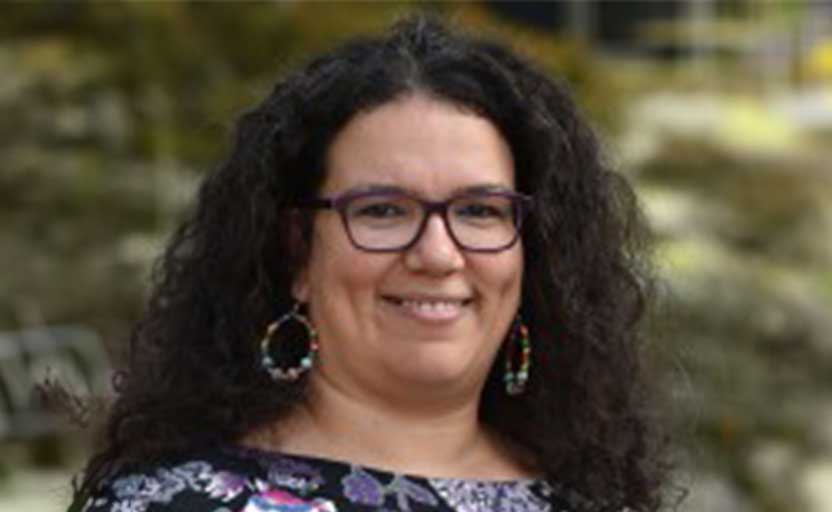
Chahira Nouira
Independent, Germany
recognized as a Community Leader
“Chahira has long walked the walk of open, and strongly embodies principles in her practices especially making communities and conferences for example participatory and inclusive. Her motto is: Engage, Practice, Share, Connect and this resonates strongly in all of her community work, especially with students.”

Gabriella Paolini
GARR and WikiDonne, Italy
recognized as a Pioneering Advocate of Open Education and Internet Access
“Gabriella Paolini has been building the open internet and open education in Italy for over thirty years – first as one of the earliest internet infrastructure professionals in the country, then as Training and E-Learning coordinator at GARR, Italy’s national research and education network as well as a member of WikiDonne association, contributing her expertise to closing the gender gap in cultural heritage and open knowledge.”
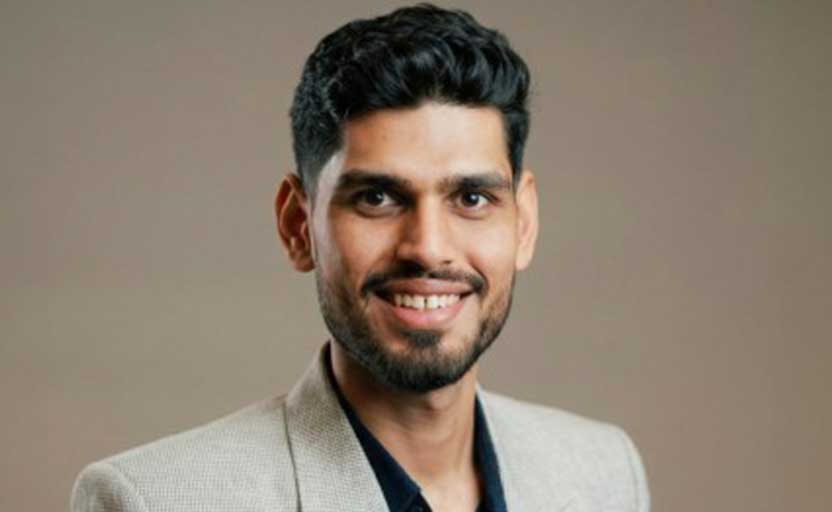
Girish Bhuteja
Conestoga College, Canada
recognized as a Student Leader and Champion for Open Education
“Girish Bhuteja is an exceptional student leader whose work demonstrates the principles and goals of open education through sustained volunteerism, inclusive leadership, and a clear commitment to expanding access to learning for all students. His contributions in his role as OER Project Assistant and across his multiple volunteer roles reflect a deep understanding of openness as participatory, collaborative, and grounded in community impact.”

Ian Linkletter
British Columbia Institute of Technology, Canada
recognized as an Open Education Champion and Fierce Advocate for Student Privacy
“While many talk about ethics of educational technology, few have professionally and personally put themselves on line publicly than Ian Linkletter. His advocacy alone is award worthy, but one could easily overlook his contributions as a librarian, educational technologist and supporter of educators in British Columbia and beyond.”
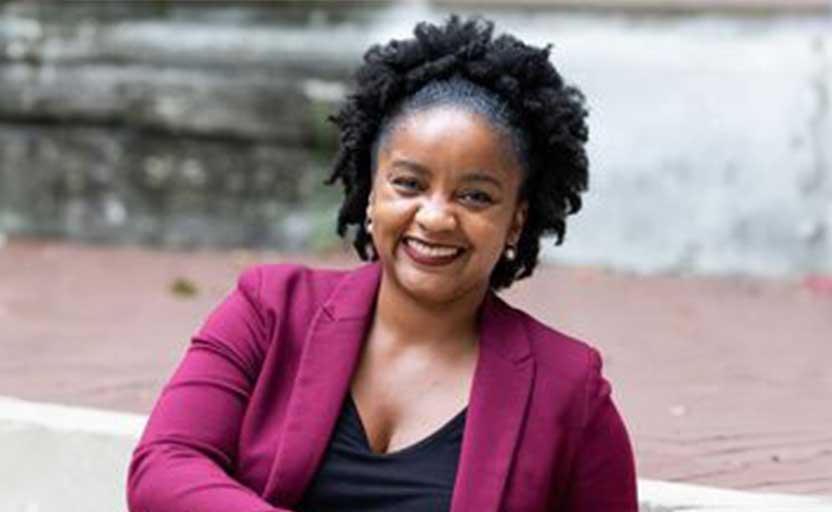
Jasmine Roberts-Crews
Open Education Research Group, United States
recognized as a Social Justice Champion
“A strong voice in the call to recognize open education beyond OER, Dr. Roberts-Crews is an advocate that champions epistemic and representational justice in education, regularly calling out the structures that hold us back from those ideals. She is one of the most prolific leaders in open education today.”

Javiera Atenas
University of Suffolk, United Kingdom
recognized as an Open Education Scholar, Strategic Leader and Practitioner
“Javiera Atenas has made sustained and impactful contributions to open education through the creation and advancement of open educational resources (OER) in data and AI literacy, grounded in a deep commitment to equity, access and collaboration. Javiera advances open education as transformative practice and a values-driven movement.”

Jeanien Cooper
NorQuest College, Canada
recognized as an Indigenous Educator and Community Leader
“Jeanien exemplifies the transformative power of accessible, community-centered, and culturally grounded education. Her work bridges Indigenous and contemporary education in ways that foster belonging, empowerment, and meaningful connection while ensuring Indigenous learners see themselves, their cultures, histories, and lived realities reflected in education.”

JOERHE Editors Amanda Larson, Chelsee Dickson, and Kristina Clement
Journal of Open Educational Resources in Higher Education, United States
recognized for Cultivating Care in Open Education Publishing
“Amanda, Chelsee, and Kristina have established and sustained a culture of transparency and collaboration that ensures both autonomy and accountability for the editorial team, distributing the workload in equitable ways that center care and well-being for everyone involved. Their deep commitment to living and embodying their values in their work is inspiring and an example that deserves to be recognized with a 2026 OE Award for Excellence.”

Jonathan Lashley
Idaho State Board of Education, United States
recognized as an Open Education Policy and Systems Leader
“Jonathan Lashley has helped make open education operational: governed through policy, sustained through community, measured through outcomes, and carried forward by leaders he mentors.He has made open education durable enough for public systems to govern, fund, teach, measure, and adapt. “
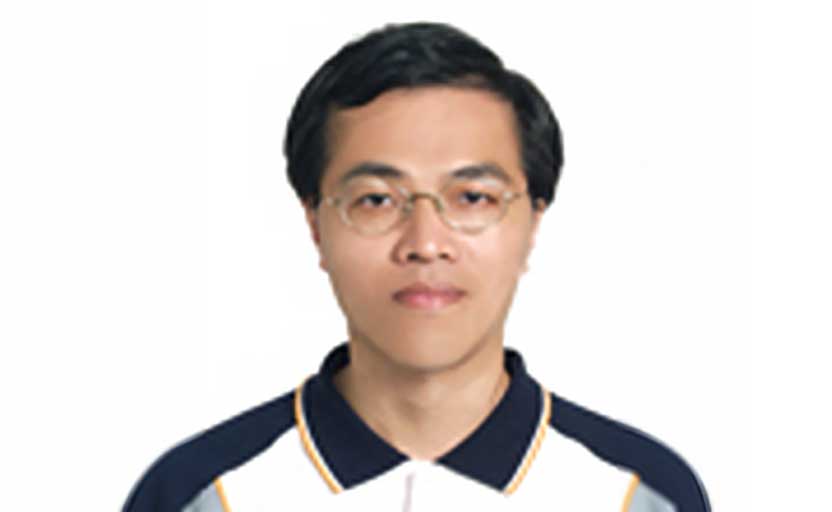
Jong-Yih Kuo
National Taipei University of Technology, Taiwan
recognized as a Practitioner Educator
“Jong-Yih Kuo demonstrates how open education can move beyond the simple adoption of open resources and become a sustainable model for transforming teaching, learning, and knowledge sharing. Over the past six years, he has integrated open textbooks into seven computer science courses, benefiting nearly 2,000 students while continuously adapting, improving, and redistributing OER to meet evolving educational needs.”

Kevin Corcoran
University of Central Florida, United States
recognized as an OER Champion
“Kevin Corcoran is a long-time open education leader whose career has been dedicated to increasing educational opportunity through openness, affordability, collaboration, and systems-level change. He has helped create an infrastructure that enables open education to thrive, including statewide councils, grant programs, repositories, policy frameworks, course-marking initiatives, and regional collaborations.”

Kisha Tracy
Fitchburg State University, United States
recognized as an Open Access Scholar and Educator
“Kisha Tracy has demonstrated a commitment to addressing social justice and inequities through innovative OER materials and the promotion of open education, especially through public scholarship. She believes open pedagogy can help us increase inclusivity and accessibility by making the lived experiences of marginalized students visible, particularly within general education courses.”
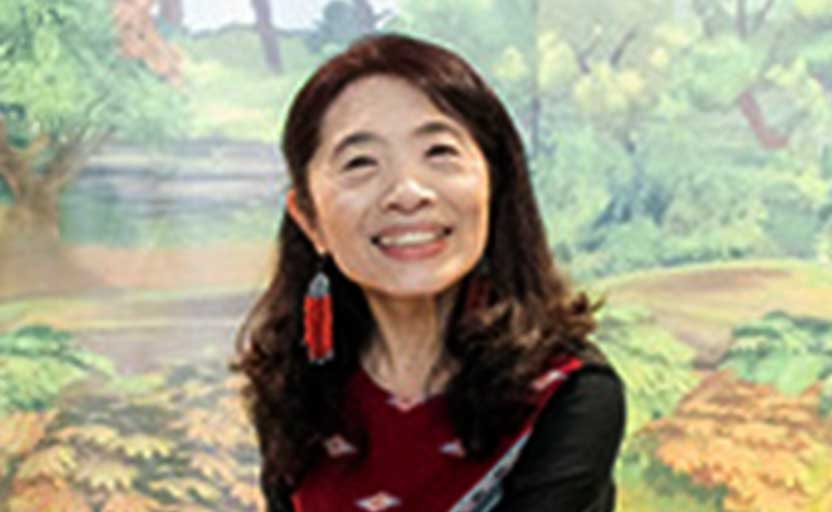
Li-Yu Fu
National Tsing Hua University, Taiwan
recognized for Indigenous Science Education and Educational Equity
“Li-Yu Fu has made an extraordinary and sustained contribution to integrating cultural respect, educational equity, and scientific learning. Her achievements demonstrate how open education can advance educational equity, cultural understanding, environmental awareness, and sustainable development while empowering learners to see science through their own cultural identities and lived experiences.”
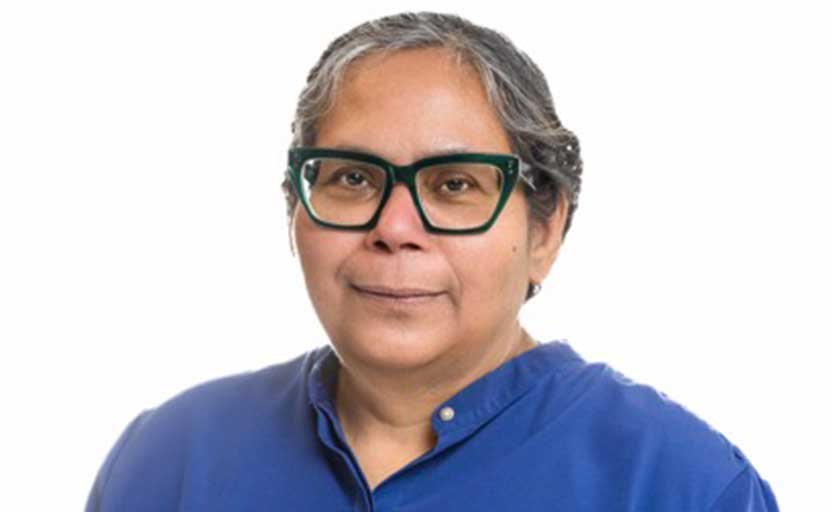
Manisha Khetarpal
Government of Alberta, Canada
recognized as an Ally for Indigenous Knowledge
“Manisha Khetarpal has dedicated her career to advancing Indigenous cultural understanding, supporting community-based learning, and promoting culturally grounded open educational practices across Alberta and Saskatchewan. An early leader for open education, Manisha launched an inclusive open education initiative at Maskwacis Cultural College (MCC) in 2013.”

Oya Pakkal
Brock University, Canada
recognized as an Emerging Scholar and Advocate
“Oya Pakkal exemplifies the future of open education. In a short period, she has emerged as a scholar, advocate, and community builder advancing both the theory and practice of openness across institutional, provincial, national, and international contexts. She has contributed to some of the most significant recent research on institutional capacity for open educational practices, generating evidence that informs strategy, policy, and investment across Canada. institutions, and decision makers who can drive change in meaningful ways.”
Open Assets: What We Share
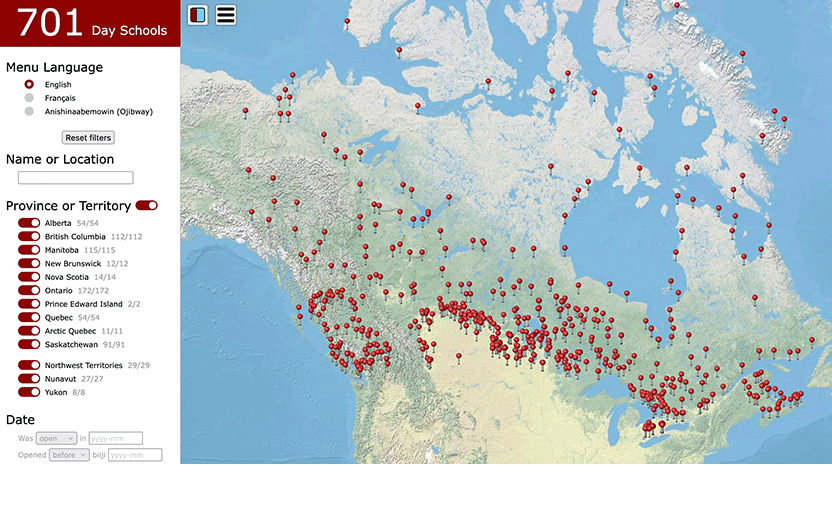
Canada’s Federal Indian Day School Website
Trent University and Queen’s University, Canada
recognized as a Social Impact Open Education Resource
“Canada’s Federal Indian Day Website demonstrates how open education can actively advance truth, reconciliation, and community empowerment. By unlocking thousands of once-inaccessible archival records through an interactive public platform, it removes long-standing barriers to Indigenous histories in Canada.”
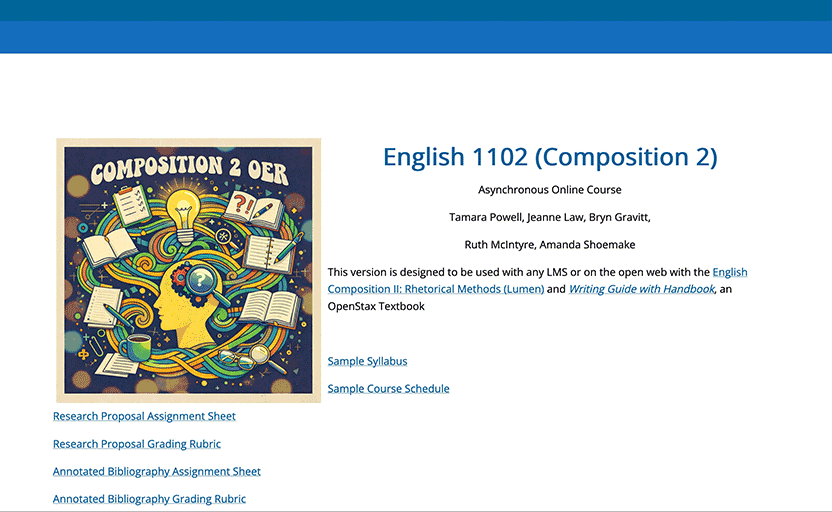
Composition 2 Open Online Course Template
Kennesaw State University, United States
recognized as an AI-Enhanced OER Ecosystem
“This AI-Enhanced OER Ecosystem reimagines what open education can achieve in the age of artificial intelligence. It did not just replace a commercial textbook with OER materials; this project created a fully integrated learning ecosystem that combines a no-cost Composition II OER, an AI assistant trained on course materials, embedded AI literacy instruction, and a scalable course template designed to support student success.”
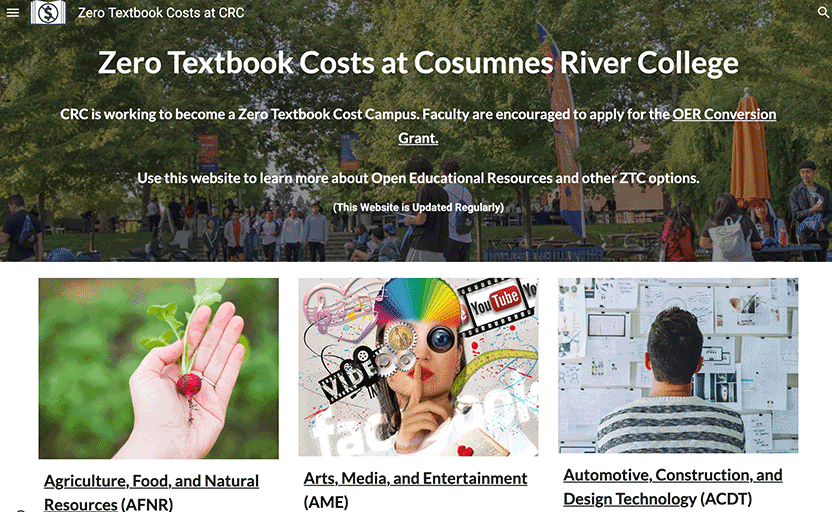
Cosumnes River College ZTC Faculty Resources
Cosumnes River College, United States
recognized as an OER/ZTC Faculty & Institutional Resource Ecosystem
“Together, the ZTC Faculty Resource site and the ZTC/OER Toolkit form a complete open education infrastructure: one supporting the faculty who teach, the other supporting the coordinators and administrators who build the conditions for that teaching to thrive. They reflect a philosophy that sustainable open education requires not just good resources, but the institutional commitment and coordination to make those resources usable.”
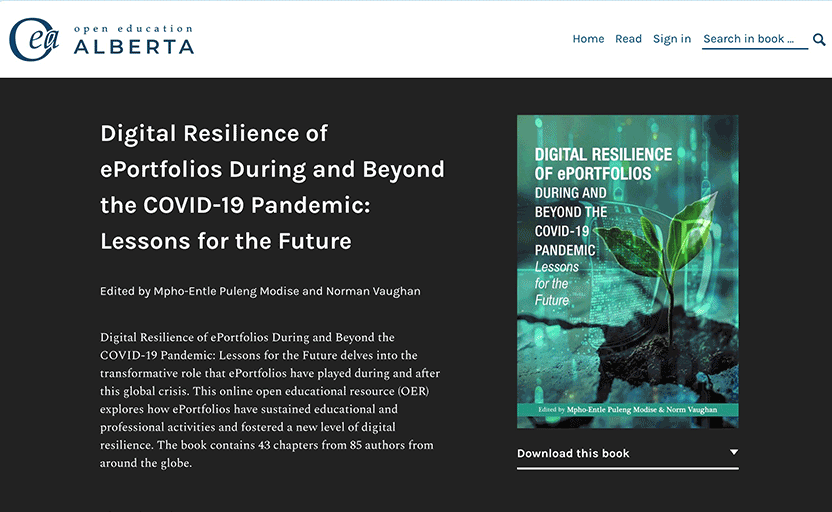
Digital Resilience of ePortfolios During and Beyond the COVID-19 Pandemic: Lessons for the Future
University of South Africa and Mount Royal University, South Africa/Canada
recognized as a Significant-Impact Open Educational Resource on Digital Resilience
“This open-access volume brings together 85 authors across 43 chapters to document how ePortfolio practice helped higher education withstand and adapt through the COVID-19 disruption. It exemplifies how open education can respond meaningfully to global disruption”
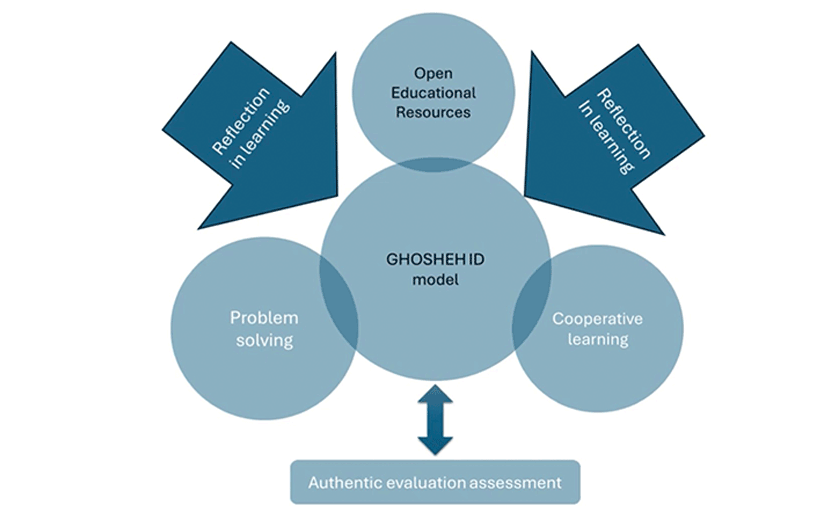
The GHOSHEH Model: An Open Instructional Design model for Creating Open Educational Resources
National Institute for Educational Training/Palestinian Ministry of Education and Higher Education, Palestine
recognized as an Open Instructional Design Framework
“The GHOSHEH Model transforms the creation of OER into a scalable, evidence-based, and sustainable open educational practice that strengthens both teacher capacity and system-level change. The model enables educators to design, adapt, and share high-quality OER aligned with local needs and global open education principles.”

Ikusgela
Basque Wikimedians User Group, Spain
recognized for Innovation in Free Multimedia Knowledge
“Ikusgela is a pedagogic video project producing free, open educational resources in Basque, a language spoken by fewer than a million people and chronically underserved in digital educational content. While video has become the dominant medium for informal learning, openly licensed materials remain rare. Most platforms lock content behind subscriptions or restrictive rights. Ikusgela breaks this pattern by releasing all its videos under open licenses, making them freely usable, adaptable, and redistributable.”
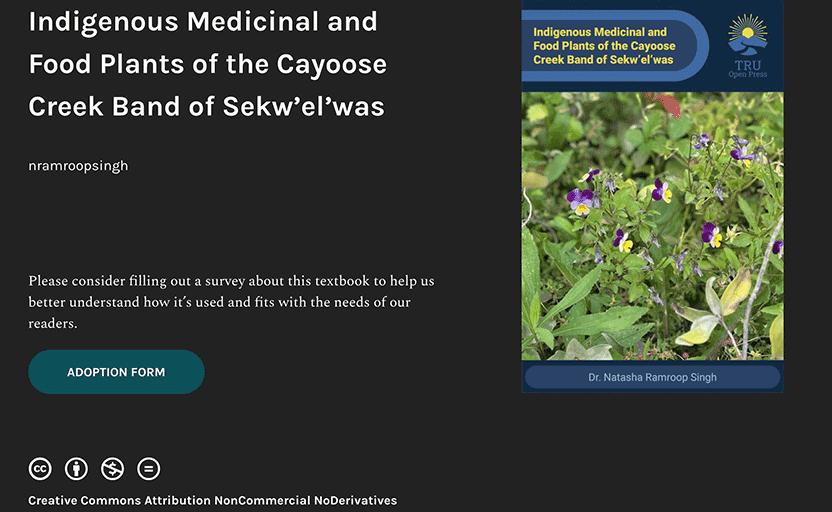
Indigenous Medicines of the Cayoose Creek Band in Sekw’el’was
Thompson Rivers University, Canada
recognized as an Indigenous Knowledge Resource
“This resource demonstrates how open education can support Indigenous knowledge preservation, community partnership, and ethical knowledge sharing. As an openly accessible educational resource, it supports cultural revitalization, reconciliation, and lifelong learning while providing students and educators with opportunities to engage with Indigenous and scientific ways of knowing in a respectful and meaningful way.”
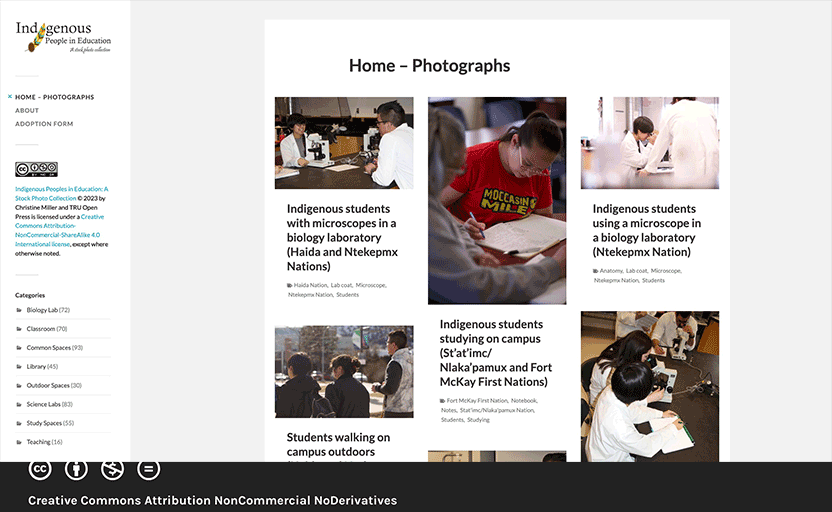
Indigenous People in Education Stock Photos
Thompson Rivers University, Canada
recognized as an Open and Inclusive Photo Collection
“This collection meets a need for openly licensed images of Indigenous people in learning situations, both as teachers and learners. Shared under open licenses, it provides a means for Indigenous learners to see themselves represented Open Educational Resources OER). For OER creators looking to diversify the representation of people in their learning materials, this is an ideal resource for photographs needed of learning in classrooms, laboratories, in campuses, etc.”
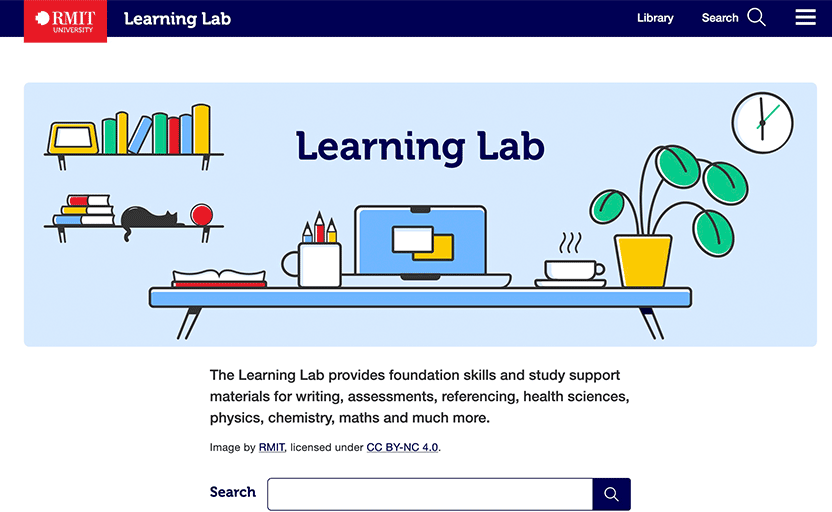
The Learning Lab
RMIT University, Australia
recognized for Accessible and Inclusive Learning Design
“The Learning Lab provides openly available learning support resources used by students, educators, and independent learners around the world. The site removes barriers to learning by offering free access to guidance on academic communication, study skills, research, digital literacy, and employability without requiring enrolment. What distinguishes Learning Lab is its sustained commitment to accessibility and equity.”
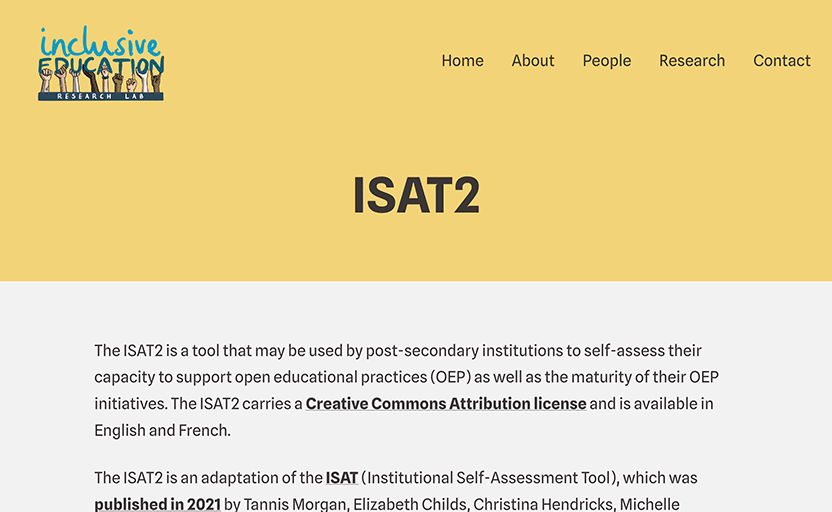
Institutional Self-Assessment Tool, Version 2 (ISAT2)
Brock University, Canada
recognized as an Institutional Self-Assessment Tool in Supporting Capacity for Open Educational Practices
“ISAT2, a bilingual, openly licensed instrument, enables post-secondary institutions worldwide to assess their capacity and maturity in supporting open educational practices (OEP). Institutions can evaluate key areas of institutional support for open education, including vision, policy, infrastructure, and leadership, and apply these insights to move beyond isolated initiatives toward coordinated, sustainable strategies while accessing actionable guidance to identify gaps, prioritize investments, and drive change.”
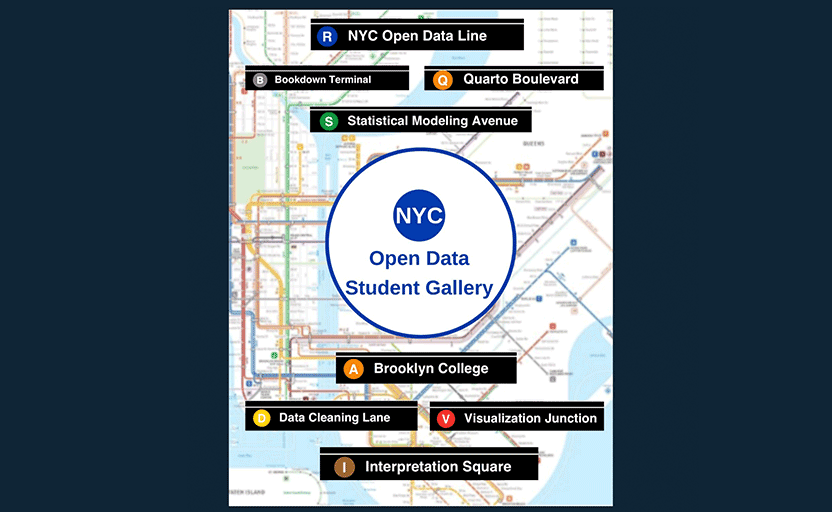
NYC Open Data Student Gallery
Brooklyn College (CUNY), United States
recognized as a Student-Created Open Data Research Gallery
“The NYC Open Data Student Gallery is an open educational resource built around a simple question: What if student assignments didn’t end when the semester ended? By replacing disposable assignments with authentic, public-facing scholarship, the NYC Open Data Student Gallery provides a replicable model for helping students become researchers, communicators, and, perhaps unexpectedly, ‘accidental authors.'”
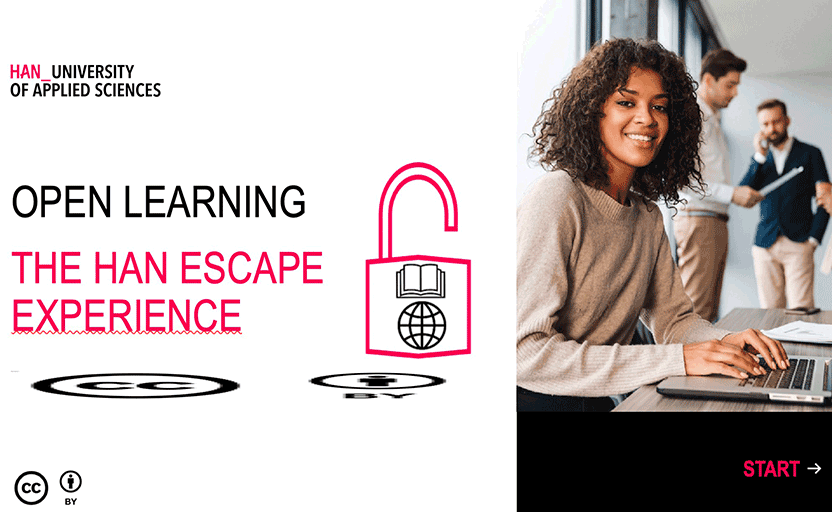
Open Learning – The HAN Escape Experience
HAN University of Applied Sciences, The Netherlands
recognized as a Group Game for Implementing OER
“Getting all stakeholders within an institution informed and aligned about OER is one of the challenges to attack when implementing an OER strategy. In this escape room game, stakeholders get acquainted with OER in a playful way. The escape experience introduces participants to the various stages of the learning resources cycle through a series of puzzles. Each task or puzzle is linked to a specific part of the process surrounding open digital learning resources.”
Open Praxis Journal
Anadolu University & ICDE, Türkiye & Norway
recognized as an Outstanding High-Quality Diamond Open Access Journal
“Open Praxis offers a rare combination of scholarly rigour, global relevance, and commitment to equitable knowledge-sharing. As a peer-reviewed, diamond open-access journal hosted by Anadolu University (Türkiye) on behalf of ICDE, it removes cost barriers for both authors and readers and supports broad participation in research and practice.”
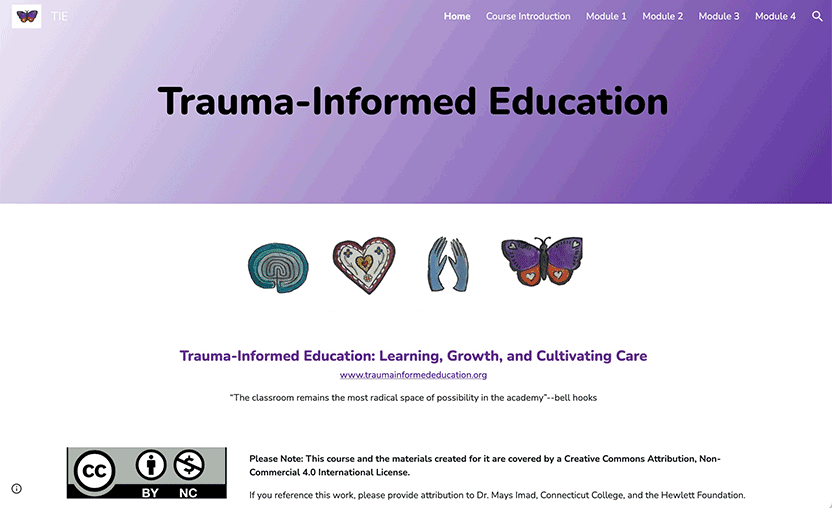
Trauma-Informed Education: Learning, Growth, and Cultivating Care
Connecticut College, United States
recognized for a Brilliant Combination of Educational Assets for Teaching
“This interdisciplinary, open resource is a transformative approach to teaching Trauma Informed Education. It integrates a range of theoretical papers on the principles of trauma informed care and how this impacts both teaching and learning and represents the innovative and viable possibility that training can be scaled.”
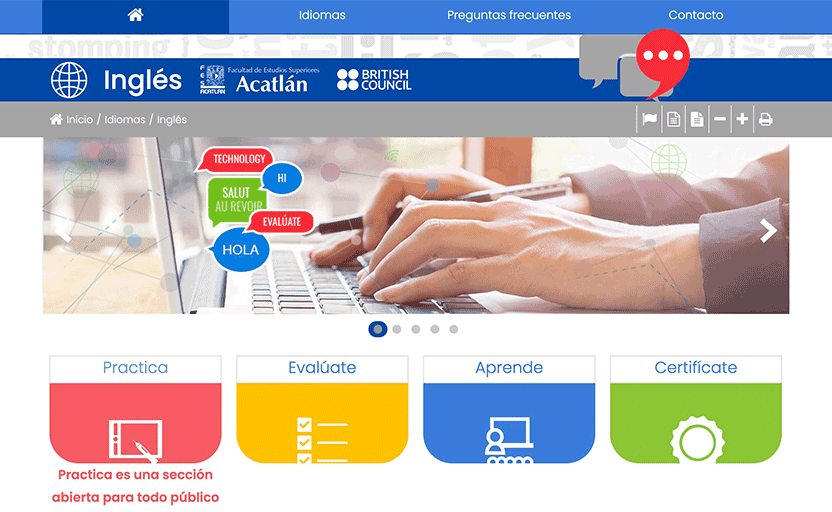
Virtual Language Environment (AVI)
Universidad Nacional Autónoma de México, Mexico
recognized as an Open Platform for Self-Directed Language Learning
“The reason this nomination deserves recognition with the Open Education Excellence Award 2026 is that the Virtual Language Learning Environment (AVI) of the National Autonomous University of Mexico (UNAM) has expanded access to language education through a free, inclusive, and high-quality open learning model. AVI provides openly accessible resources that help learners develop language skills autonomously, regardless of their economic background or geographic location.”
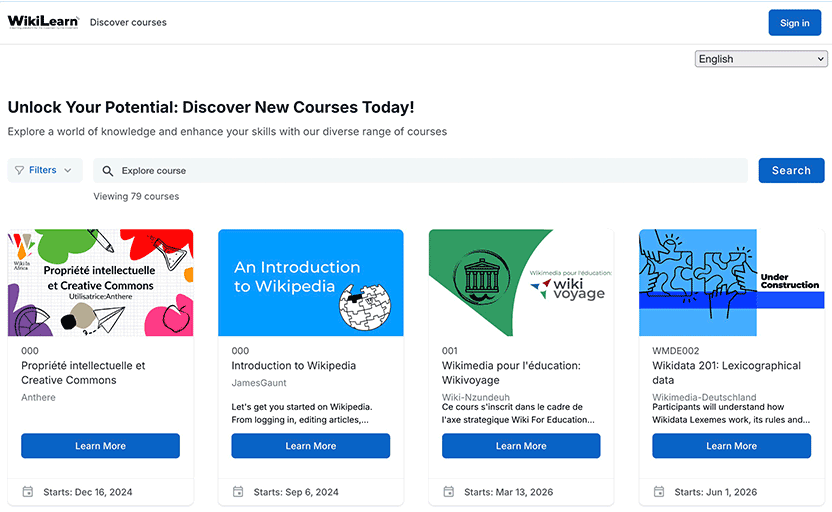
WikiLearn
Wikimedia Foundation, Global
recognized as an Open Learning Management Platform
“WikiLearn is an essential tool for the Open Education environment and a pillar of the internet. It is a learning management platform that hosts self-guided and live courses developed by and for the Wikimedia community, serving the Wikimedia projects, including Wikipedia. It is a platform that provides capacity building and leadership development for thousands of open-access volunteers.”
Open Practices: How We Share
Accessibility Is Our Jam
Kennesaw State University, United States
recognized for Dedication to Accessibility in OER
“This nomination recognizes the practices of a team that has worked for eight years on OER projects, research, and professional development ensuring open educational resources are truly open and accessible to all, including those who use assistive technology and those who are neurodiverse. The team operates in a highly collaborative, non-hierarchical environment united by a commitment to social justice, accessibility, and inclusive education.”
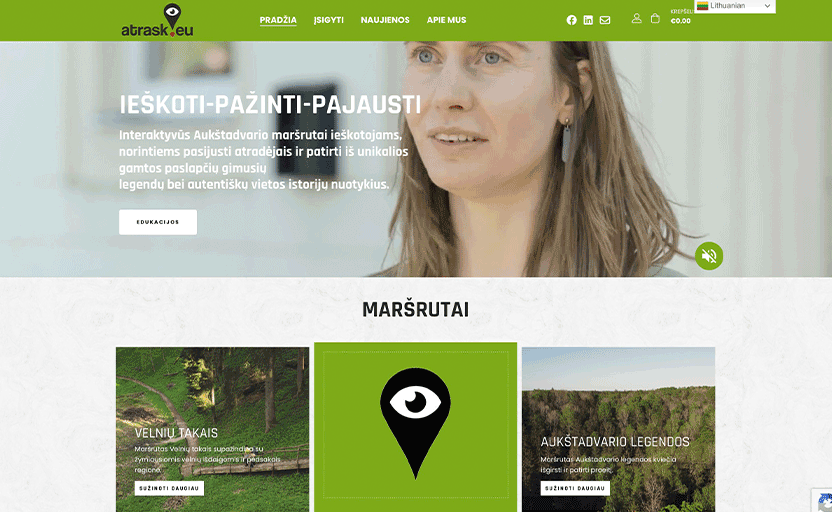
Atrask.eu
Lithuaniana College of Democracy, Lithuaniana
recognized as
“Atrask.eu shows how open education can begin as a local seed and grow into a community-based practice for inclusion, participation, and digital learning. By linking digital inclusion, intergenerational learning, critical thinking, and democratic participation, Atrask.eu offers a Lithuanian example of open education that is practical, human-centred, and transferable to other communities.”
Digital Ethnography Jember: Open Cultural Heritage for Education
Universitas Jember, Indonesia
recognized for Community-Based Cultural Heritage Documentation for Open Education
“Digital Ethnography Jember combines cultural documentation, open licensing, and educational engagement to make underrepresented local knowledge available for learning, teaching, and research. Through Wikimedia Commons, Wikidata, and Wikibooks, the initiative enables educators, students, researchers, and the public to access, reuse, and expand cultural knowledge under open licenses.”
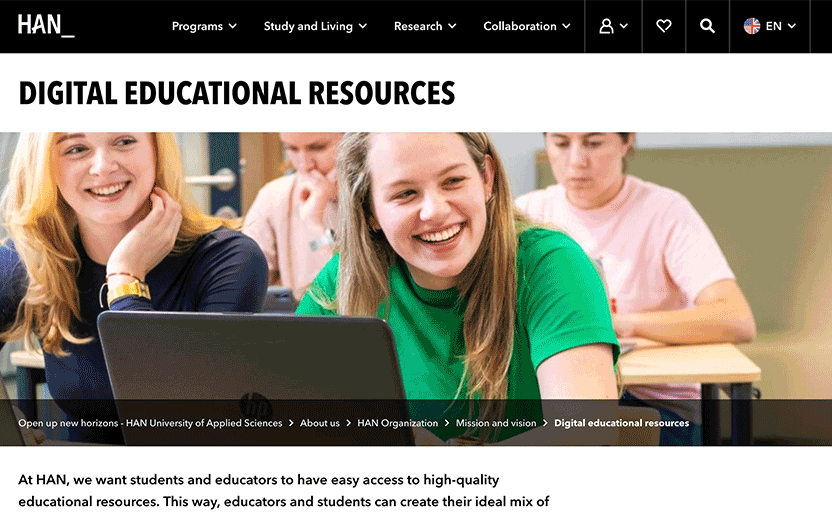
HAN University’s Comprehensive OER Strategy Development and Implementation
HAN University of Applied Sciences, The Netherlands
recognized as a University’s Comprehensive OER Strategy
“By adopting a structured change management approach HAN demonstrates how an institution can foster a sustainable open culture. Its commitment to sharing all strategy-related assets openly makes HAN a leading example and a generous contributor to the global open education community.”
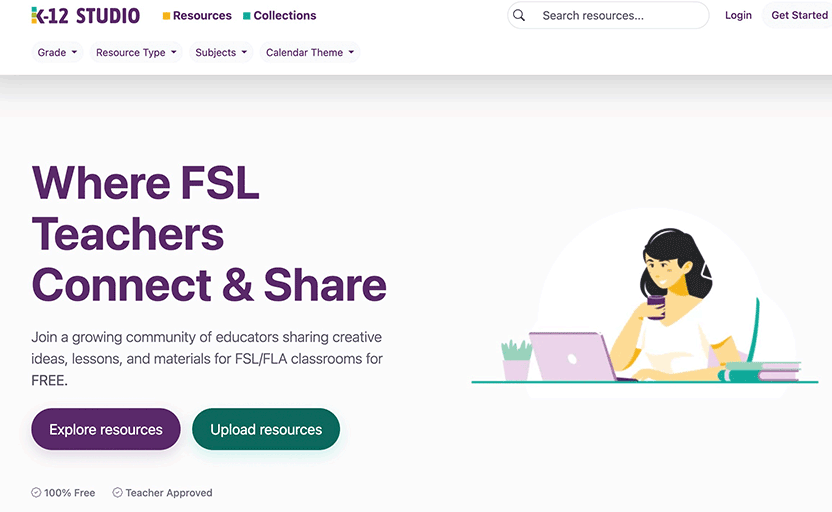
K-12 Studio
Glendon College & York University, Canada
recognized for Facilitating Collaboration Among K-12 Teachers
“K‑12 Studio stands as a model of what is possible when open educational practices are designed not only to share resources, but to build a culture of collaboration, equity, and professional empowerment. In just a few months, it has become the most innovative, K-12 teacher‑driven hub for open French as a second language (FSL) resources in Ontario, offering a legal, and pedagogically sound alternative to for-profit resource marketplaces.”
The Lernraumkonzept (Learning Space Concept)
Hessische Lehrkräfteakademie, Germany
recognized for Needs and Potential-Oriented Framework Enabling Open Educational Practices
“The Lernraumkonzept resolves a persistent tension in education: the supposed opposition between structured guidance and self-directed, open learning. Instead of an either/or, it takes a clear ‘both/and’ approach, offering impulses and openness at once and showing how the two reinforce each other.”
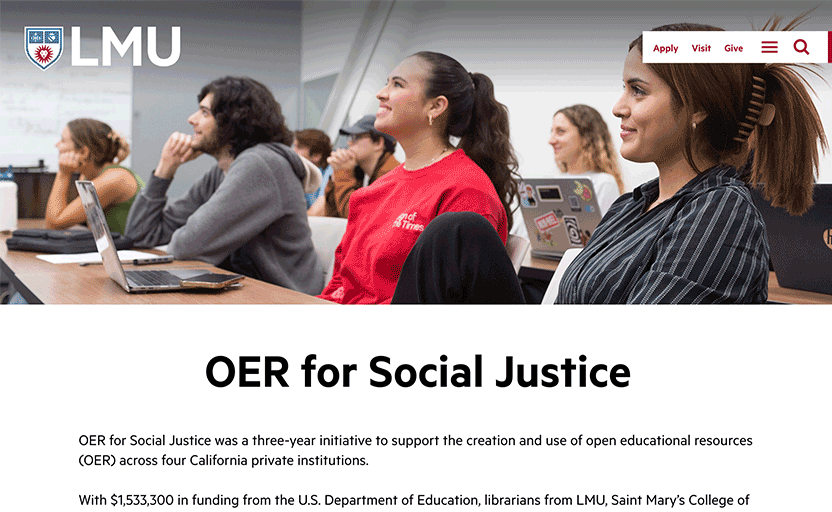
OER for Social Justice
Loyal Marymount University, Saint Mary’s College of California, Santa Clara University, and the University of San Francisco, United States
recognized for Collaboration
“OER for Social Justice is a cross-institutional project that used Open Textbook Pilot funds to recruit, incentivize, and prepare 11 faculty teams to adapt, create, and publish OER that integrate diverse, equitable, inclusive, and anti-racist resources into high-enrollment courses across multiple disciplines. OERFSJ fostered a community of practice (CoP) through workshops, annual reviews, publication support, and student assessment, while honoring individual’s expertise, student experiences, and accessible instructional design.”
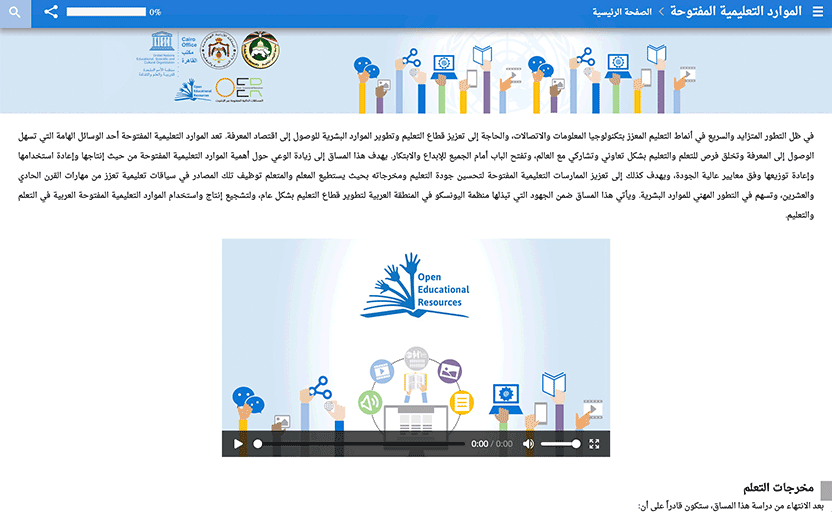
OER SMART: Promoting OER Concepts, Reuse and Practices in the Arab Countries
Al-Quds Open University, Palestine
recognized for Building Open Education Communities in the Arab World
“OER SMART was one of the pioneering initiatives that advanced Open Educational Resources (OER) awareness, adoption, and capacity building in the Arab region. The initiative transformed OER from a little-known concept into a practical educational movement among educators, academics, and decision-makers.”
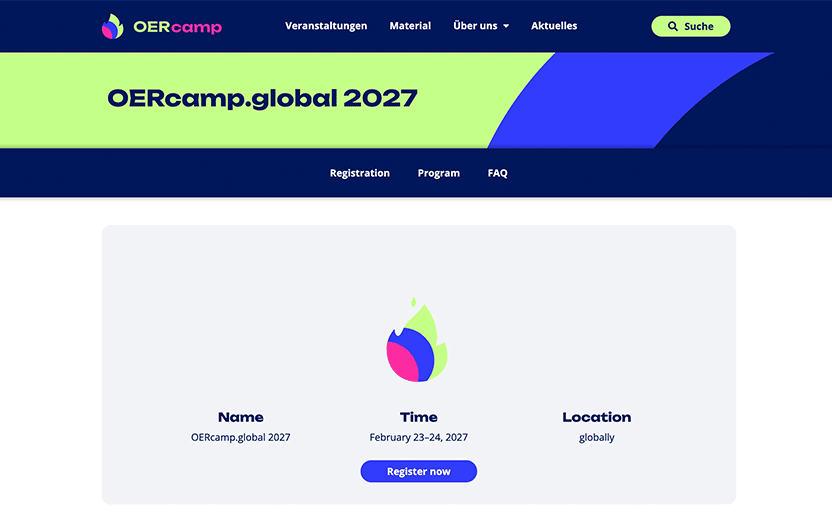
OERcamp.global
J&K, Germany
recognized for Open Education Across Borders
“OERcamp.global is a global online unconference and community event focused on Open Educational Resources and open educational practices. The format is part of the OERcamp project and was first implemented in 2021. It brings people from the international open education community together digitally and will continue in 2027. OERcamp.global is therefore not a one-off event, but an established open format for worldwide exchange, shared learning, and community-building.”
Open Education Talks
University of Calgary, Canada
recognized for Cultivating Inclusive Inter-professional Open Knowledge Connections and Mobilization
“Open Education Talks embodies a sustainable, community-driven model for advancing open educational practices creating impact by connecting people, sharing knowledge, and strengthening professional learning across institutions, roles, and geographic boundaries.. OE Talks is committed to raising student voices and partnerships, ensuring recognition as contributors to OE rather than solely recipients.”
OpenCon Ohio Conference
Cleveland State University, United States
recognized for Regional Community Building
“The OpenCon Ohio conference has been joyfully bringing open education advocates together for nearly ten years. The event promotes and celebrates open education in ways that benefit the entire education community, and its planning process exhibits the values of open education too, through collaboration, peer learning, sharing, and inclusion.”
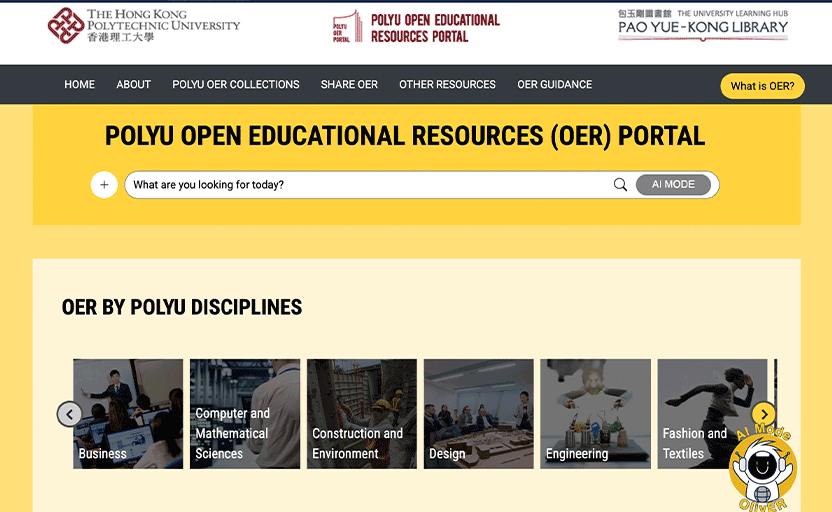
PolyU Open Educational Resources Portal
The Hong Kong Polytechnic University, China
recognized as an AI Curriculum Intelligence and Co-created OER Ecosystem
“The PolyU Open Education Resources Portal has revamped the search strategies in traditional OER portals with natural language queries by OlivER, a pioneering AI chatbot assistant. Unlike traditional repositories, PolyU adopts a three-way crowdsourcing approach that unites librarians as architects, instructors as producers, and students as co-curators.”
Research Methods in Criminology
Kwantlen Polytechnic University, Canada
recognized for Integrating Two-Eyed Seeing into OER Development
“Research Methods in Criminology demonstrates what it looks like to take decolonization seriously in open educational resource development. The result is a freely accessible, openly licensed OER that invites criminology students to examine not just what research methods exist, but who research is for and what responsibilities researchers carry — particularly when working with Indigenous and other marginalized communities.”
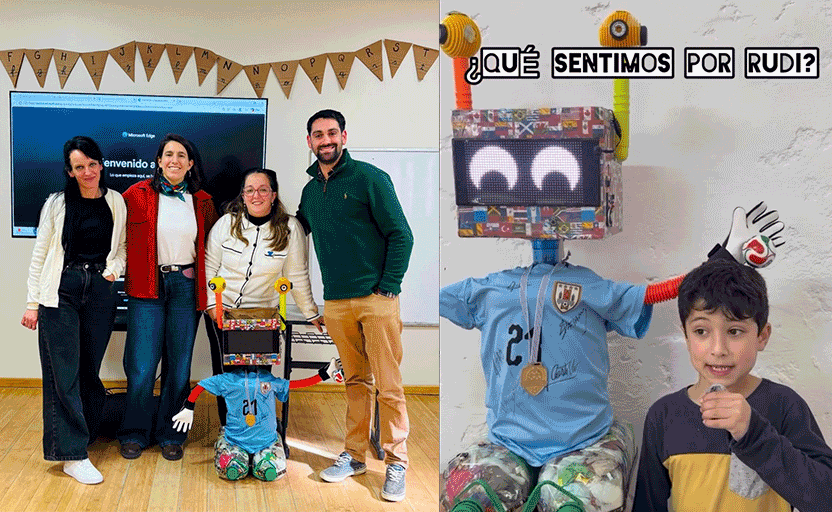
RUDI: An Identity-Based Educational Methodology for Children’s Rights
Escuela Los Alfareros, Uruguay
recognized for Play-Based Children’s Rights Education
“Created in one of Uruguay’s most socially vulnerable neighborhoods, RUDI combines identity-based learning, play, sustainability, artificial intelligence, and community participation into an open educational practice that is adaptable and replicable. Built from recycled materials and brought to life through the voices of children themselves, it transforms learning into participation and participation into action.”
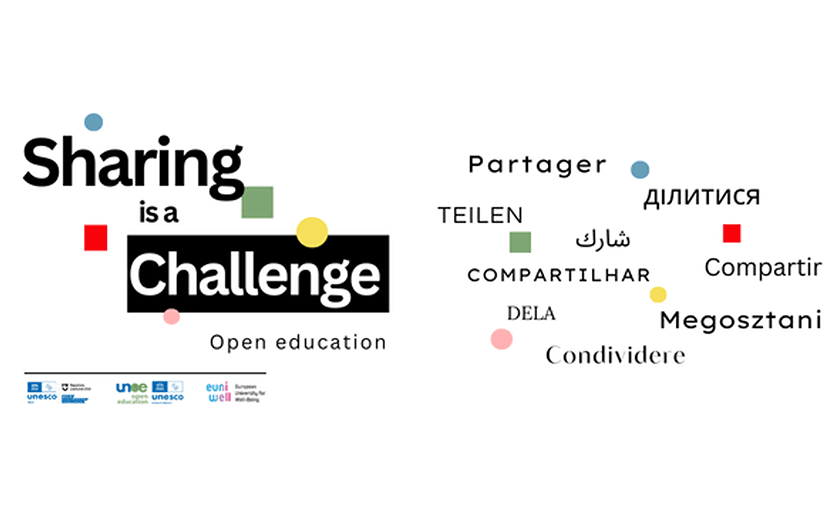
Sharing is a Challenge, 16 Obstacles Overcome to Enhance Sharing
Nantes Université – Chaire UNESCO RELIA, France
recognized for Open Collaboration
“At the heart of this initiative is a structured exploration of the barriers that limit open educational practices. This project demonstrates excellence in open education through its collaborative design, multilingual and multicultural participation, and strong commitment to removing barriers to sharing. By turning reflection into collective action, and by making both challenges and solutions visible, it contributes meaningfully to advancing more inclusive, sustainable, and equitable open educational practices worldwide.”
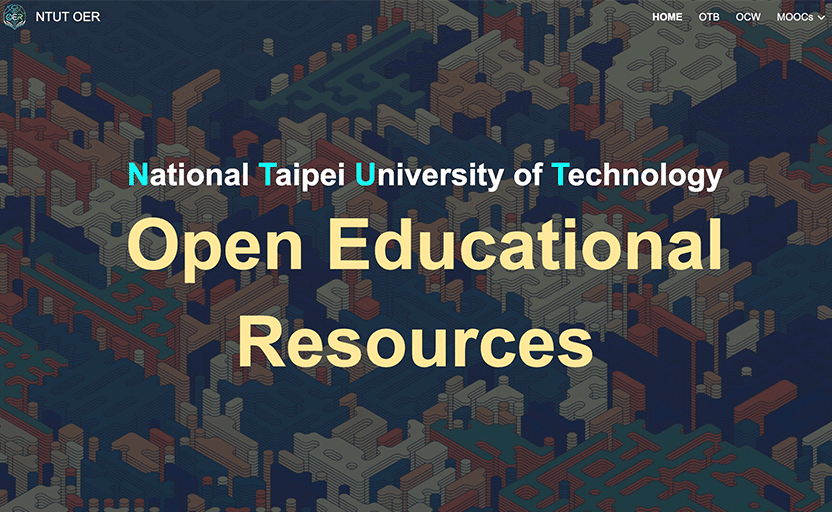
Taipei Tech Ecosystem of Open
National Taipei University of Technology, Taiwan
recognized for Systemic Embracing of Open Education
“The reason this nomination deserves to be recognized with a 2026 Open Education Award for Excellence is that Taipei Tech has built a sustainable open education ecosystem across vocational high schools, universities, and global platforms through three pillars: OCW, MOOCs, and Open Textbooks (OTB).”